
Science.
Science is the truth about the real world, not politics. We do basic science whether or not it is profitable or popular, and we go where the data points. Real science is transparent, reproducible, and observable.
Cabrera Research Lab · The Science of Systems + Thinking
We study the shared structure of mind and nature.
Systems Thinking is a Top 10 Future Job Skill

Today's Most Crucial Leadership Skill Is Systems Thinking
Overview
Born at Cornell University, Cabrera Research Lab (CRL) is a theoretical and empirical lab. We study how the mind organizes information, and how that organization mirrors the systems of the real world: ecosystems, organizations, scientific theories, and social behavior.
We treat cognition as a structural system. It shapes, and is shaped by, the physical, biological, and social systems it tries to understand. Our goal is to model how the mind works as part of the natural world, not apart from it. The work rests on systems theory, cognitive science, neuroscience, and formal modeling.


Why it matters
Mind sits underneath everything we do, and thought sits underneath mind. Yet thought is rarely studied as the thing that shapes all of it. Cognitive science and neuroscience come at it through the brain. We come at it through structure: the structure of knowledge, and the structure of the world that gave the brain its structure in the first place.
The brain didn’t appear out of nowhere. It evolved over millions of years inside the universe, made of the same stuff, under steady pressure to match it. Knowledge is what brains produce, added up over time. The odds that the brain is built differently from the universe, or that all that knowledge doesn’t carry the universe’s structure, are close to zero. So our research asks one question: what exactly is that shared structure? Our answer is DSRP and O-Theory. Call it ontology, epistemology, the structure of thought, or the structure of nature. It is one structure.
Understanding that structure explains:
The alignment between mind and nature is not philosophical. It is structural, testable, and vital.
Double bottom line
Science is the truth about the real world, not politics. We do basic science whether or not it is profitable or popular, and we go where the data points. Real science is transparent, reproducible, and observable.
We put the public back in publication. The public pays for science, and they deserve to understand it and use it. When what a society knows outruns what its people understand, it makes worse decisions.
Universities soak up your time, take overhead from your grants, and try to own your research. That gets in the way of science. Staying independent took many small decisions. We are now self-employed professors who endowed our own chairs and granted ourselves tenure.
Science
is transparent, reproducible, and observable. It goes where the data points.
Academia
is establishments, journals, and disciplinary tribes. Too often it is opaque, and it bends with the winds of politics.
We are not against academia. We are for science and people, and against anything that works against them.

By the numbers
Bottom line 2, in practice
The Cabrera Lab Podcast takes the science straight to the people who pay for it, with no paywall and no jargon. It is the #1 systems thinking podcast in the world and ranks in the top 1% of all podcasts. We partner with STSI® to bring it to listeners worldwide.

Cabrera Lab is a Science Partner of STSI®, the leading authority on systems thinking standards and evidence-based training and credentials.


Supported by the National Science Foundation (NSF) and the U.S. Department of Agriculture (USDA).


Professor
Systems Scientist · Translational Researcher · Chief Translational Scientist, CRL. Translating scientific discovery into practical methods for human thriving.
Full bio
Professor
Systems Scientist · Cognitive Scientist · Chief Scientist, CRL. Discovering the universal organizing primitives that structure mind and reality.
Full bioCore areas of study
Thinking used to be a vague idea. Now it is a structured, testable, teachable discipline. We measure how the way people think shapes what they do, how they feel, and the results they get in the real world.
We study how to think adaptively: to get things right and fast in complex situations.

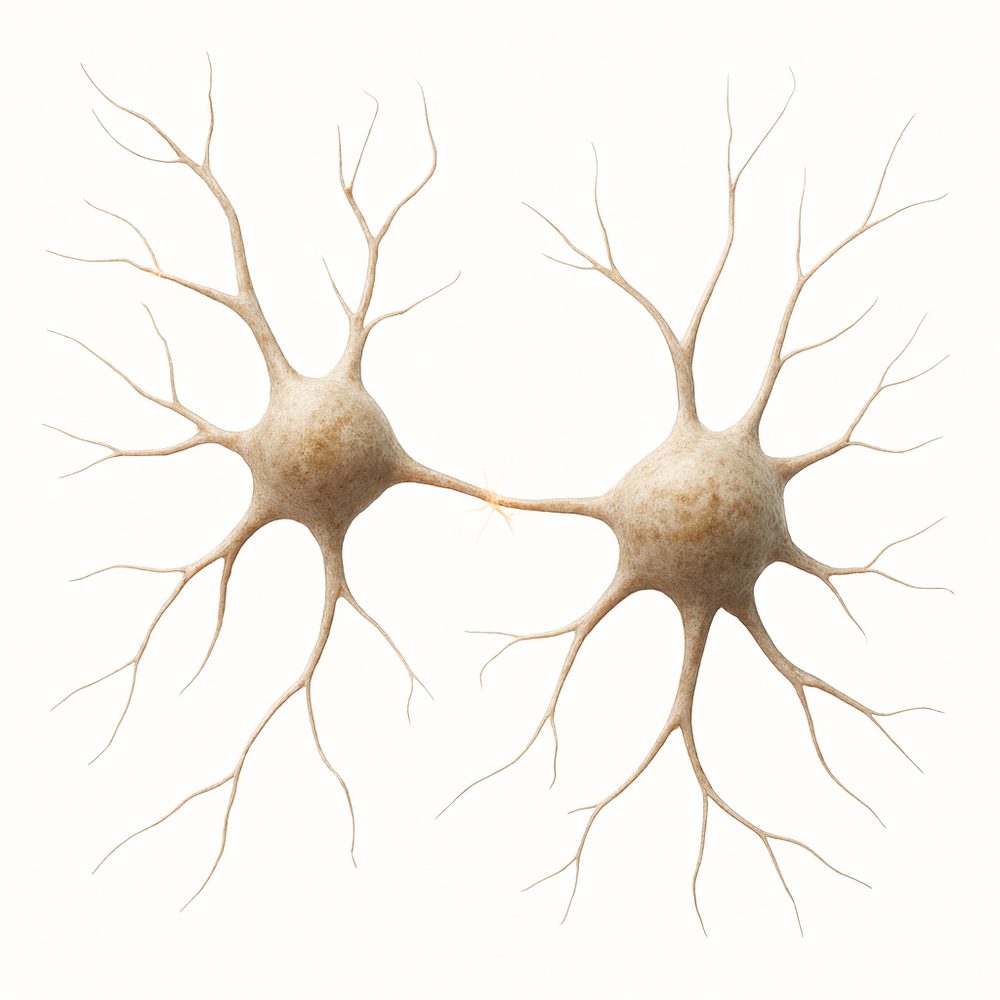
From the symmetry of a butterfly's wings to the neural logic of artificial intelligence, we study the elemental structures of thought. DSRP (Distinctions, Systems, Relationships, and Perspectives) is how people and groups organize information, solve problems, and adapt to complexity.
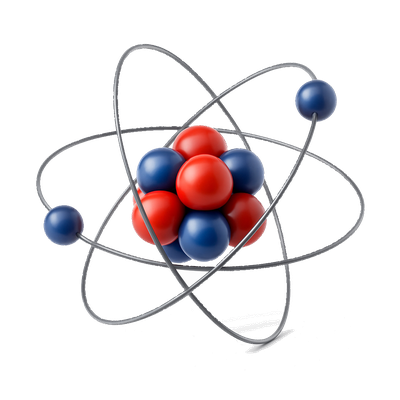
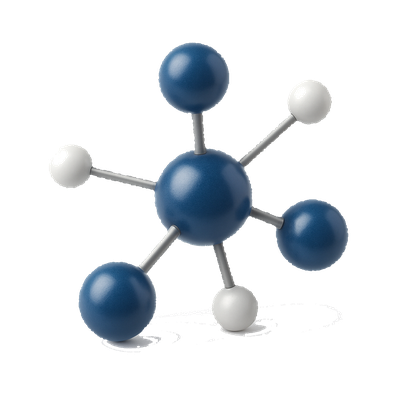
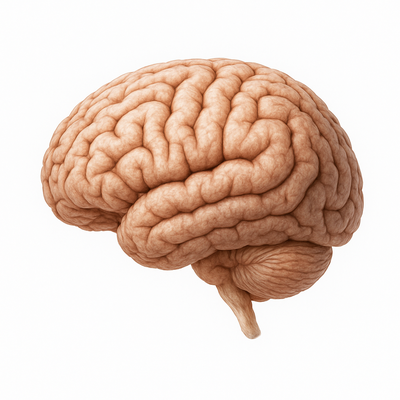

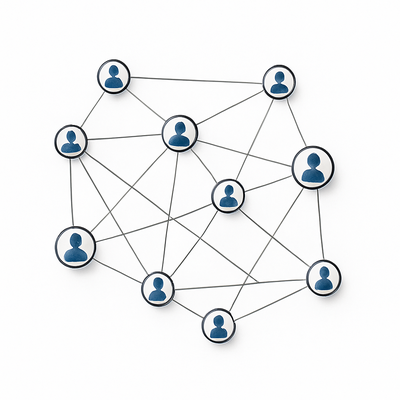

Mind and nature share the same structural mechanics. At the atomic, molecular, human, social, and geologic scales, the same four patterns (Distinctions, Systems, Relationships, and Perspectives) show up in both mind and matter. Thinking is as much a natural phenomenon as photosynthesis or gravity.

A mountain goat reading ridgelines, a rover reading Martian soil, a builder reading plans: every intelligent system moves through reality with an internal model, and the outcome depends on how well that model fits. We study the fit, and how better cognitive structure leads to better perception, prediction, and performance.

We build formal models that predict behavior, learning, adaptation, and system outcomes from the structure of cognition, not its content. Universal patterns (DSRP) and model-world alignment let us forecast system dynamics, from one person's reasoning to the design of whole institutions.

The same recursive logic appears in the veins of leaves, coral reefs, city plans, and online networks. We study how cognition and nature both build fractal, self-similar structures that scale from a single thought to global systems.

What are the smallest moving parts of thought? We study the micro-moves, conceptual atoms, and structural operators that act as the gears of mental processing. Like proteins folding in a cell, they are invisible but powerful. We find them, visualize them, and model them to show how thought is built, and how it can be rebuilt.
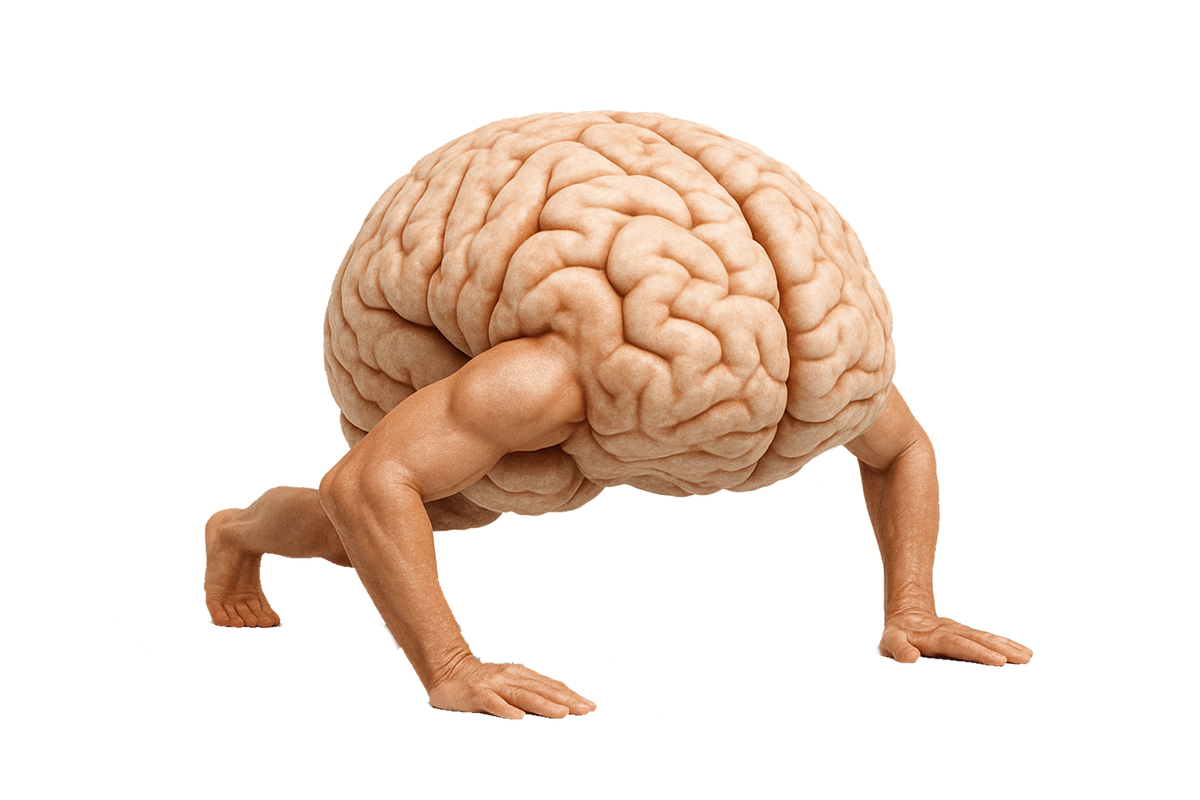
Mental fitness, like physical fitness, is trainable, measurable, and essential. We study how structural cognition strengthens seven domains:
From alpine climbers and special operators to classrooms and boardrooms, systems thinking builds agility, clarity, and adaptability. CRL is the primary source for identifying, validating, and certifying new mental moves.
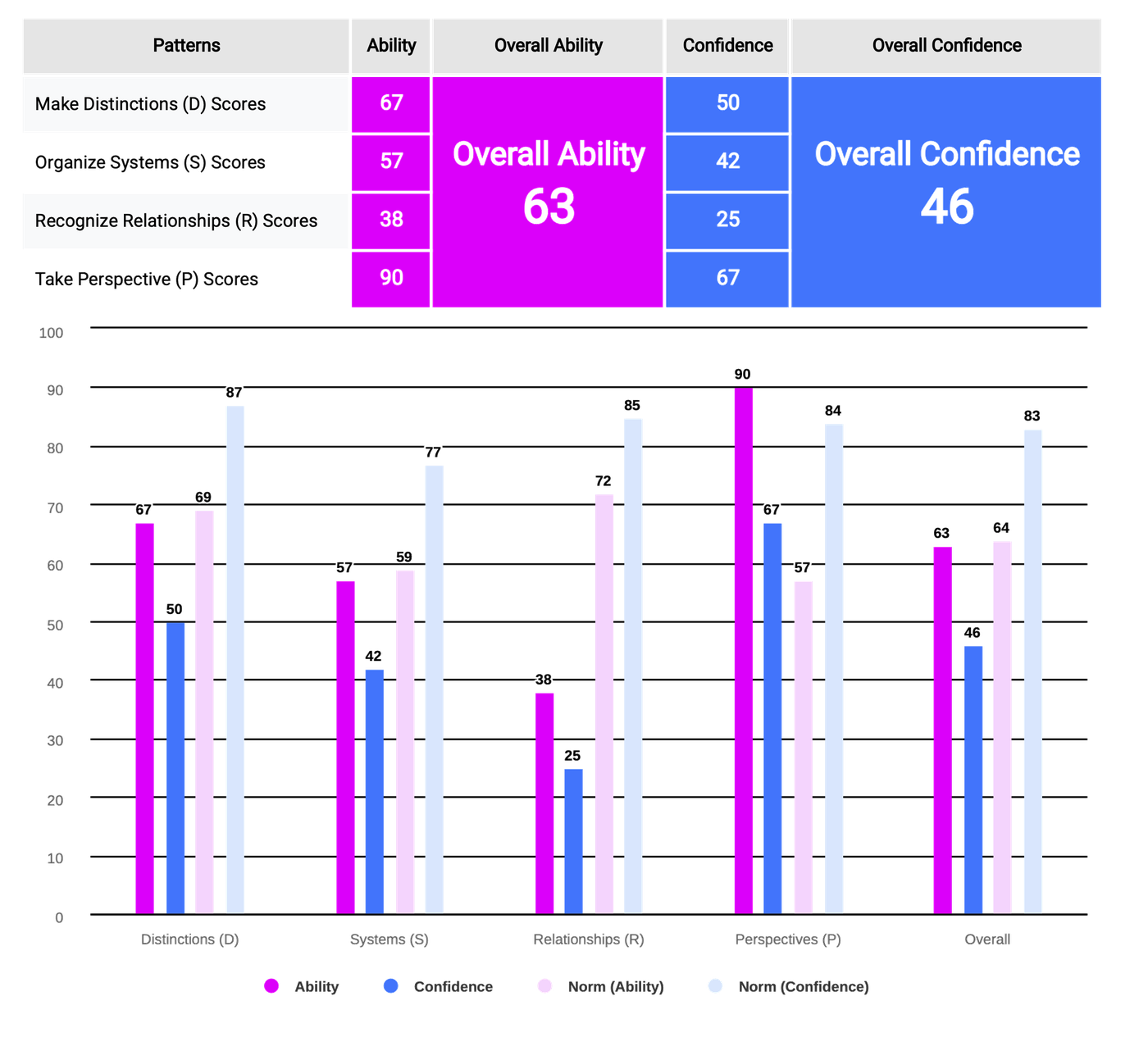
Does learning to think in structured ways make life better? We ask plain questions. Does it help people make better decisions? Does it lead to better therapy, teamwork, leadership, and outcomes?
Through experiments, case studies, and long-term tracking, we measure how structured thinking changes emotions, actions, relationships, and results in classrooms, clinics, boardrooms, and crises. Our goal is to show, not just say, that clearer thinking leads to better performance, well-being, and problem solving.
Careers
We're looking for talented people to join the team. See open positions and send us your CV.
Research internship
Help run systematic literature reviews in cognitive science, systems thinking, and education.
Read more and apply →From the lab
What Is Citizen Science? Citizen science is the idea that science belongs to everyone—not just professional scientists. Throughout history, many impor…
I was thinking about a strange hypothetical the other day. Suppose I told you I had the greatest marketing opportunity in the world. Not a great produ…
The Happy Mind Blown Emoji: Why Learning Should Feel Good At Cabrera Research Lab, we spend a lot of time thinking about what it means to really learn…


